Fields
Each method for every API will have different set of fields as filters. For example, the blocks method will have the following fields as filters:
-
date: The date of the block. The since and till options can be used to filter the results by date.
-
time: The time of the block. The before option can be used to filter the results by time.
-
size: The size of the block in bytes. The gteq option can be used to filter the results by size.
-
miner: The miner who mined the block.
-
height: The height of the block in the blockchain.
-
blockReward: The block reward for the block.
-
blockHash: The hash of the block.
Here's another example of fields available for filtering in transactions method:
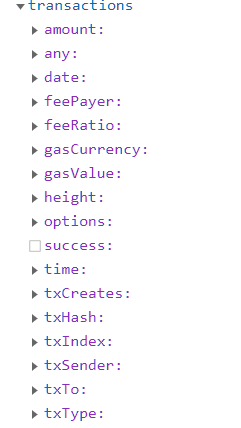
You can use any combination of fields to filter your results if they contradict each other.
Getting distinct values
The uniq keyword is used to specify that only unique or distinct values should be returned in the query results. This is particularly useful when you want to eliminate duplicate entries and only count or retrieve each unique instance of a specific value.
In the example provided, we are querying for the distinct count of senders who made transactions on a specific date.
The field count(uniq: senders) would count each sender only once, therefore providing the total number of unique senders.
query MyQuery {
  ethereum(network: ethereum) {
    transactions(date: {is: "2024-01-01"}) {
      count(uniq: senders)
    }
  }
}